


The Aviarist
Big Bird Special Seed Mix - Bio-Security Treated Seeds
☀️ You can only purchase a minimum of PKR 500/- PKR
Couldn't load pickup availability
Big Parrots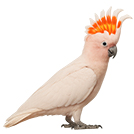
Big parrots are among the most intelligent, colorful, and charismatic members of the avian world. This group includes species like Macaws, Cockatoos, Amazons, Eclectus and African Greys, all known for their striking plumage, strong personalities, and remarkable ability to mimic human speech. They are typically large in size, with powerful beaks designed for cracking nuts and seeds, and long lifespans that can extend over 50 years in captivity with proper care.
Big parrots require spacious environments, mental stimulation, and a balanced diet rich in seeds, nuts, fruits, vegetables, and formulated pellets. Their social nature makes them affectionate companions, but they also need regular interaction and enrichment to prevent boredom and stress. Because of their intelligence and emotional sensitivity, these birds thrive in homes or aviaries where they are given attention, training, and respect.
A Complete Nutrition
At The Aviarist, we understand that the health, vitality, and breeding success of Big Parrots depend largely on their diet. Our specially formulated Seed Mix for Big Parrots is bio-security treated, ensures that Big Parrots receive safe, clean, and nutrient-rich food that supports their feather health, energy levels, fertility, and overall wellbeing.
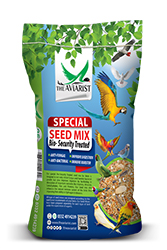
Special Seed Mix
Unlike ordinary seed mixes, our formula goes beyond just filling the seed cup. Every batch is carefully treated and enhanced to support the overall well-being, breeding performance, and immunity of your parrots.
The Special Seed Mix is our core variant, trusted by many breeders. What makes it unique is that, it is regularly adjusted and upgraded according to seasonal changes and breeding requirements.
Tailored nutrition for breeder pairs
Adjusted fat and protein ratios for better breeding outcomes
Ensures strong fertility, better hatch rates, and healthier chicks
This mix is especially beneficial during pre-breeding and general breeding periods.

Key Ingredients:
| Ingredient | اجزاء |
| PROSO MILLET | سفید چینا |
| RED PROSO MILLET | لال چینا |
| PEARL MILLET | باجرہ |
| HEMP SEED | بھنگ کے بیج |
| SUNFLOWER SEED | سورج مکھی |
| SAFFLOWER SEED | قرتم |
| OAT SEED | (جوی (جئی |
| BARLEY SEED | جوء |
| WHITE SORGHUM | جوارسفید |
| STRIPED SUNFLOWER SEED | ایرانی سورج مکھی |
| PUMPKIN SEEDS | کدو کے بیج |
| WHEAT | گندم |
| CORN | مکئی |
| PEANUT | مونگ پھلی |
| RED CHILLI | سرخ مرچ |
| PEANUT KERNAL | مونگ پھلی دانہ |
| ROASTED CHICKPEAS | بھنے ہوئے چنے |
| SOY BEAN | سویابین |
Available in 10Kg & 25Kg Packing
Key Features
1. Bio-Security Treated Seeds
Every seed in our mix undergoes a strict bio-security process. This includes anti-fungal treatment that prevents the growth of harmful fungi such as Aspergillus, which can cause serious respiratory infections in birds. Additionally, the mix is treated to eliminate bad bacteria that often grow in untreated seeds and may lead to digestive or immune-related health problems.
2. Enhanced Digestion
Birds have a delicate digestive system that can sometimes struggle with raw seeds when kept in controled environment. To address this, our seed mix is enriched with special enzymes that aid in the breakdown and absorption of nutrients. These enzymes improve gut health, reduce digestive stress, and maximize nutrient utilization, ensuring that birds get the most from every seed they consume.
3. Immunity-Boosting Formula
A strong immune system is essential for protecting birds against common infections. Our blend is fortified with immunity-enhancing agents that help strengthen their natural defenses. This means your birds are better equipped to fight off seasonal illnesses, bacterial challenges, and environmental stressors.
4. Species-Specific Nutrition
Unlike generic bird seed blends, The Aviarist seed mix is specially crafted for species specific, keeping their natural habitat and dietary patterns in mind. The selected seeds provide the right balance of proteins, healthy fats, vitamins, and minerals that match their natural dietary needs.
Benefits
Healthier Plumage & Brighter Colors
Proper nutrition enhances feather quality, resulting in shinier, stronger, and more vibrant plumage—a sign of a healthy bird.
Boosted Energy & Vitality
With a balanced nutritional profile, birds remain more active, playful, and energetic, reflecting their natural behavior.
Stronger Immunity Against Diseases
The immunity boosting shield protect birds from bacterial and viral threats.
Improved Digestion & Nutrient Absorption
The added enzymes prevent bloating, indigestion, and seed waste, ensuring maximum nutritional benefit.
Longevity & Quality of Life
A safe and nutrient-rich diet contributes to a longer, healthier, and happier life for birds.
Breeding Benefits
Bird breeding requires an optimal diet rich in energy, proteins, and essential micronutrients. The Aviarist Seed Mix is designed to support the breeding cycle in several ways:
Enhanced Fertility in Pairs
Nutrient-rich seeds, combined with immune-boosting agents, improve fertility rates and increase the chances of successful breeding.
Stronger Egg Production
The bio-secure and enzyme-treated formula ensures the hen’s body efficiently absorbs calcium and proteins, leading to stronger, healthier eggs with better hatchability.
Healthy Chick Growth
Parents fed on this seed mix pass on enhanced nutrition to their chicks, ensuring stronger immunity, better feather growth, and healthy development from the very first days.
Reduced Breeding Stress
With improved digestion and higher energy reserves, breeding pairs remain less stressed during mating and chick-rearing, resulting in more consistent breeding success.
Big Parrots
Majestic Companions with Unique Needs
Large parrots, such as Macaws, Cockatoos, Amazon and Eclectus, are among the most captivating and admired species in aviculture. Known for their intelligence, beauty, and strong personalities, these birds require specialized care and nutrition to maintain their vibrant health and long lifespans. At The Aviarist, we understand that feeding plays a vital role in the wellbeing of big parrots, which is why our Big Parrot Seed Mix is formulated to meet their unique dietary needs.
Big parrots are admired worldwide not only for their beauty but also for their ability to form lifelong bonds with their owners, making them both a joy and a responsibility to keep.
Types of Big Parrots
Big parrots are a diverse group of large, intelligent, and colorful birds, admired for their beauty, strong personalities, and ability to bond with humans. Some of the most well-known types include:
1. Macaws
Macaws are among the largest parrots, famous for their long tails, powerful beaks, and striking colors. Popular species include the Blue-and-Gold Macaw, Scarlet Macaw, and Hyacinth Macaw. They are highly social, energetic, and need spacious environments.
2. Cockatoos
Cockatoos are easily recognized by their expressive crests and affectionate nature. Species like the Sulphur-crested Cockatoo, Umbrella Cockatoo, and Major Mitchell’s Cockatoo are popular pets. They are playful and intelligent but require constant interaction.
3. Amazon Parrots
Amazon parrots are medium-to-large birds with bright green plumage and strong personalities. Popular species include the Yellow-headed Amazon and Blue-fronted Amazon. They are excellent talkers and love singing.
5. Eclectus Parrots
Eclectus parrots are unique for their sexual dimorphism: males are bright green, while females are deep red and purple. They are calm, gentle, and thrive in environments with fresh fruits and vegetables.
6. Other Large Parrots
Some other notable large parrots include the Hawk-headed Parrot, Derbyan Parakeet, and Cape Parrot. Each has distinct traits, making them special in aviculture.
Big parrots are not only admired for their striking appearance but also for their intelligence and ability to form lifelong bonds. However, they require proper care, enrichment, and nutrition to stay healthy and happy.
Why Choose Our Seed Mix for Big Parrots?
Feeding large parrots isn’t just about keeping them full—it’s about providing the right nutrition to support their intelligence, beauty, and longevity. Whether you own a Macaw, Cockatoo, Amazone and Eclectus, or other large parrot species, our premium Big Parrot Seed Mix is carefully crafted to keep them healthy, active, and thriving.
Nutritional Requirements
Big parrots like Macaws, Cockatoos, Amazon and Eclectus Parrots have higher nutritional demands than smaller species due to their large body size, longer lifespan, and higher activity levels. However, each has unique needs (for example, Eclectus parrots require more fiber and Vitamin A)
Here’s a complete breakdown of their nutritional requirements :
Macronutrients
Protein
Protein supports feather growth, tissue repair, fertility, and strong chick development.
- Maintenance: 12–15%
- Breeding/Chick Rearing: 18–20%
Fats
Fats provide energy and help maintain glossy plumage. They should come from healthy sources like nuts and seeds.
- Maintenance: 5–8%
- Breeding/High Energy Needs: 10–12%
Carbohydrates & Fiber
- 50–60% of diet.
Supplies energy and maintains digestive health.
Vitamins
- Vitamin A: Supports vision, skin, and immune health. Found in carrots, pumpkin, papaya, and leafy greens.
- Vitamin D3: Essential for calcium absorption; sunlight or supplements are necessary.
- Vitamin E: Important for reproduction and overall health.
Minerals
- Calcium & Phosphorus: Vital for bone strength, egg production, and muscle function. Sources include cuttlebone, mineral blocks, and leafy greens.
- Iron & Zinc: Needed for blood health, immunity, and growth.
Dietary Balance
Big parrots thrive on a balanced diet made up of:
- 40–50% Seed Mix (formulated for Big Parrots)
- 20–30% Fresh Vegetables (leafy greens, carrots, broccoli)
- 15–20% Fresh Fruits (papaya, apple, berries, mango)
- 5–10% Nuts & Seeds (almonds, walnuts, sunflower seeds as treats)
Breeding Season Adjustments
- Protein: Raised to 16–18% for chick development.
- Fat: Slightly higher (Macaws 14–16%, Cockatoos 8–9%, Eclectus 8–10%).
- Calcium & Vitamin D3: Must be increased to prevent egg-binding and weak chicks.
- Soft, sprouted, and soaked foods: Easier for parents to feed chicks.
Water
Fresh, clean water must always be available. Even mild dehydration causes stress, poor digestion, and reduced breeding performance.
Breeding Care of Big Parrots
Breeding big parrots such as Macaws, Cockatoos, Amazons, Eclectus and African Greys requires patience, specialized knowledge, and careful management. These birds form strong pair bonds and need the right environment to reproduce successfully.
1. Pair Selection
Choose healthy, mature parrots (usually 4–7 years old depending on species). Birds should be DNA-sexed, unrelated, and free from hereditary or health issues. A compatible, bonded pair is more likely to breed successfully.
2. Housing & Aviary Setup
Big parrots need large, spacious aviaries that allow flying, climbing, and privacy. Each breeding pair should be housed separately to reduce stress. Strong cages and perches are necessary, as parrots have powerful beaks.
3. Nesting Facilities
Provide sturdy nest boxes appropriate for each species (vertical or horizontal, depending on preference). The box should be secure, lined with safe nesting materials such as untreated wood chips or shredded paper.
4. Nutrition
Breeding pairs require a nutrient-rich diet. Increase protein (18–20%) through legumes, soaked seeds, and egg food. Fresh vegetables, fruits, nuts, calcium supplements, and bio-secure seed mixes are essential to support egg production and chick growth.
5. Environmental Conditions
Stable temperatures, proper ventilation, and low stress are critical. Seasonal changes and longer daylight hours often stimulate breeding behavior.
6. Monitoring & Care
Regularly observe pairs without disturbing them. Ensure eggs are fertile and chicks are developing properly. Hand-feeding may be necessary in some cases, though many species are attentive parents.
7. Health Management
Maintain hygiene in the aviary and provide regular veterinary check-ups. Parasite control and vaccinations (if recommended) are important for breeder health.
8. Post-Breeding Care
After breeding, allow pairs to rest before the next cycle. Adequate nutrition and recovery time prevent stress and over-breeding.
Breeding big parrots can be highly rewarding but requires dedication, investment, and ethical responsibility. With proper care, breeders not only ensure healthy chicks but also contribute to the conservation of these magnificent birds.
Commercial Aspect of Breeding Big Parrots
Breeding big parrots, such as Macaws, Cockatoos, Eclectus, African Greys, and Amazons, holds significant commercial value in the aviculture industry. Due to their intelligence, vibrant plumage, and ability to mimic human speech, these birds are highly sought after as companion pets across the world.
High Market Demand:
Big parrots are prized for their talking ability, long lifespan, and affectionate personalities. Species like African Greys and Blue-and-Gold Macaws fetch premium prices due to their popularity and rarity.
Long-Term Value:
Because many big parrots live for 40–70 years, buyers often view them as lifelong companions, which increases their commercial appeal. Well-bred, hand-raised chicks are especially valuable.
Breeding Profitability:
While the initial investment in breeding pairs, aviary setup, and nutrition is high, returns can be rewarding. Successful breeders often supply to pet stores, private collectors, and bird enthusiasts. Rare species, like Hyacinth Macaws or Major Mitchell’s Cockatoos, can command very high prices.
Challenges & Responsibilities:
Breeding big parrots requires expertise, spacious aviaries, bio-secure diets, and proper veterinary care. Their sensitivity, strong pair bonds, and specific breeding conditions make them challenging but rewarding to breed.
Global Trade & Regulations:
Many large parrot species are protected under CITES (Convention on International Trade in Endangered Species). Commercial breeders must follow legal guidelines, ensuring birds are captive-bred and not wild-caught.
In summary, breeding big parrots is not just profitable but also contributes to conservation when done responsibly. With proper care and ethical practices, it can be a sustainable and rewarding commercial venture.
Why The Aviarist Seed Mix?
Feeding large parrots isn’t just about keeping them full—it’s about providing the right nutrition to support their intelligence, beauty, and longevity. Whether you own a Macaw, Cockatoo, Eclectus, or other large parrot species, our premium Big Parrot Seed Mix is carefully crafted to keep them healthy, active, and thriving.


